Friday, March 18, 2011

Empanadas Argentinas de Begoña (Argentinian Turnovers)


This is a very special installation of "Cuban Home Cooking" - today we learned how to make a popular and delicious treat from Argentina that has become a staple in Cuban bakeries and restaurants - often eaten for breakfast, lunch or as a "merienda" or snack.

Our "teacher" was Begoña Cabili, a friend's mother-in-law, born in the Basque region of Spain who emigrated to Argentina with her brother and sister when she was 18 years old. There the Basque beauty met and married Roberto, a dashing Argentine of Turkish descent and she learned to make Argentinian dishes. For the last 40+ years they've lived in Miami with their children and grandchildren. And that's how she came to be our friend and teacher!

We made - and ate! - beef empanadas and chicken empanadas. The procedure is the same, but in the pictures you'll see the beef preparation. Let's do it!

The Ingredients


1 lb lean ground beef (or chicken) - well separated
6 oz roasted sweet peppers - minced
15 plain olives - chopped
1/2 large white onion - finely chopped
2 hard boiled eggs - chopped
1¼ ounces raisins (optional)
4 Tblsp extra virgin olive oil
Paprika to taste
Salt to taste
20 sheets of flaky filo turnover dough for oven


Note - Begoña uses the brand "La Salteña" which she buys at a local Argentinian deli. Any phyllo dough pastry should work - but if possible try to get it for "the oven" or baking, rather than for frying.

Note - The dough comes frozen and can be stored in the freezer up to 6 months before use. Before using thaw in the refrigerator for 24 hours.

Note - Keep the dough refrigerated until use and even while working keep the dough sheets as cool as possible.


The Process
This recipe makes 20 empanadas

  1. Preheat oven to 350º.

  2. In a skillet sweat onions in 4 Tblsp of oil on low temperature until they are tender.


  3. Add the meat to the onions. Then add salt to taste and add paprika to the desired color.

  4. Drain, rinse and dry the roasted sweet peppers, and then mince them.

  5. Chop the eggs and the olives.

  6. Add raisins, olives, peppers and eggs to the meat and mix well.

  7. Sample a bit and add salt to taste.

  8. Set the mixture aside to cool.

  9. Cover baking sheets with tin foil and lightly grease with melted butter. Take the dough out of the refrigerator but keep cool and covered as you work with each one.

  10. Place one dough disc on a hard surface - marble is ideal as it keeps the dough cool. Rim the edge with enough water to make it moist - this will help seal it.


  11. Place one tablespoon of the meat mixture in the disc and fold the dough over it.

  12. Crimp the edges starting at one end and working around.

Note - If you're making different types of empanadas (meat and chicken for example) crimp the edges differently to distiguish them from each other. You can use a fork for one type, shell shape for another, etc.)
  1. Brush each turnover with egg yolk to add color to the pastry.

  2. Place in the oven for approximately 25 minutes.

  3. Check periodically to ensure they are browning but not burning.
Note - The empanadas can be made and frozen unbaked for up to 6 weeks. Thaw them before baking.

We enjoyed the empanadas with some wine and good conversation and Begoña made delicious baked apples for dessert. And yay! there were enough for all of us to take some empanadas home!


¡Buen provecho!

Saturday, August 14, 2010

Dulce de Guayaba de Elsa


First I want to apologize for the long absence. Real life got in the way and well…that’s it really. So, I’ve had a couple of recipes since late 2009 waiting to be published - I know, shameful! Mea culpa, mea culpa, mea maxima culpa (thump, thump thump).

But, we’re back with a treat - and right in time for guava season in South Florida! Elsa came to our friend Silvana’s house to teach us how to make something close to a guava jam or compote. The smells coming from that kitchen were heavenly…

Ingredients
35-37 Medium ripe or green Guavas
(NOTE: Guava will stain, so be careful of clothes and counter tops.)
6 1/2 cups Sugar
Pinch of Salt
Water as needed


Process:
This recipe makes approximately eight 12 oz. jars.
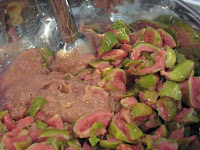
  1. Wash guavas and cut off the stem end.

  2. Cut the guavas in half and scoop out the seed and centers and reserve.

  3. Chunk the remaining guava pulp and skins.
  4. Puree the chunked pulp and skins adding small amounts of water as needed to liquefy.

  5. Strain the fruit puree discarding solid remnants using a fine mesh strainer.

  6. Strain the seed puree but retain the remnants.


  • NOTE: To strain the seed puree she used the back of a spoon to work all of the puree off of the seeds.

  1. Restrain the seed puree. After the second puree there should be no seeds left.
  2. Combine the fruit puree and the seed puree to yield approximately 9 cups.

  3. Add the sugar to the combined puree.

  4. Cook the combined puree on high until it comes to a full boil. Stir with ladle to mix the sugar well and to prevent the marmalade from sticking to the pot.
  5. Once it comes to a second boil lower the temperature to medium. Continue cooking as it continues to boil.
  6. Add a pinch of salt.

  7. Cook for 30 minutes stirring periodically.

  8. Use this time to prepare your jars.
  • NOTE: It is best to use sterilized glass jars as the marmalade will initially be hot.

  1. After 30 minutes, set the temperature to low and beginning jarring. Jar and lid all of the marmalade while hot.

  2. If using canning jars they will "pop" as the mixture cools, thereby completing the seal.


  • NOTE: Once cool, the marmalade can be refrigerated for a couple of weeks.

Serve with yellow cheese and crackers for a traditional Cuban snack or dessert. It is also delicious served over cream cheese, or even a plain cheesecake. Or heck, eaten out of the jar with a spoon!

Buen provecho!

Sunday, November 29, 2009

Frijoles Negros de Reinaldo (Black Beans)


Remember our MVP teacher Miriam? Well, this time our teacher is a relative of hers – Reinaldo is her daughter’s godfather. And he is also the family’s master chef. Reinaldo is the genius behind the magic that is the family’s holiday meals.

We got together at Miriam’s house – she recently renovated her kitchen so she enjoys having people over - a few weeks ago and Reinaldo taught us how to make two staples of Cuban cooking in general and of the holidays specifically: Frijoles Negros (Black Beans) and Yuca con Mojo,(Cassava with Garlic Marinade). This time you get the black beans, we’ll publish the Yuca in time for Noche Buena.

As usual from the lesson Miriam made a lovely lunch, her sister Nora made a roast pork shoulder that was melt in your mouth delicious – we didn’t get the recipe because we didn’t know she was making it, but we will soon!


Ingredients

7 cups of water
3 medium
 green peppers
1 large onion - peeled
10 large garlic cloves
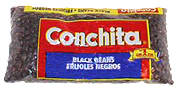
28 oz. dry black beans – picked over for any foreign items
1 pack or cube of chicken bouillon – if using cubes, crush before adding
½ tsp oregano
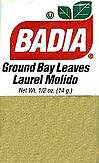
½ tsp powdered bay leaf
1 tsp cumin
Salt to taste
7 oz. roasted red peppers
1 oz. good olive oil


Process

This recipe makes approximately 12 servings.

  • NOTE: This recipe was made using a pressure cooker. If not using a pressure cooker, follow the recipe but heat the mixture on high to boil and then lower to medium for approximately two hours or until it thickens. Check periodically to ensure beans are completely submerged.
  1. Soak beans in room temperature water for 8 hours. Put water and beans into pressure cooker.
  1. Core the green peppers and place whole garlic cloves inside one or two of them. Add to the pot.
  1. Add the whole onion to the pot.
  2. Seal the pressure cooker and cook on high until pressurized.
  3. Lower to medium and continue cooking for 15 minutes.
  4. Depressurize the pot. Remove onion, green peppers and garlic cloves.
  5. Place the onion, green peppers, garlic cloves, 1 pimento and pimento liquid in a blender or food processor. Add 2 serving spoons of the black bean mixture and liquefy.
  1. Taste the beans from the pot to determine if they are soft enough, if not continue cooking and checking until done.
  2. Add the liquefied mixture back to the pot. Set to Medium-Low.
  3. Add ½ cup of water (use your judgment here they may be thin enough), salt, cumin, bay leaf powder, oregano, and bouillon. Taste for salt, season as needed.
  4. Add remaining pimentos and use the pimento can to add 7 oz of water (if needed because it’s been cooking down for a while).
  1. Boil on Low for 15 minutes or until thick, stirring occasionally. Stir in olive oil.
  2. Let the beans sit off the heat for about 30 minutes to continue thickening.

  • NOTE: To thicken the beans if they are too watery, liquefy a spoonful or two in the blender and add back into the pot. This will help thicken the soup.


Black beans are traditionally served with white rice, and they are integral to the traditional Noche Buena meal along side yuca and roast pork...


...but they also make a delicious soup on its own, garnished with sweet raw onions.


¡Buen provecho!


ingredient image source


    Saturday, October 3, 2009

    Fricasé de Pollo de Miriam (Chicken Fricassee)


    If you’re a regular reader, you’re very familiar with Miriam. She was our very first teacher - remember her ham croquettes? A few months she taught us how to make her delicious lentil stew. She’s a dear friend and has basically offered to be our “go-to” teacher when we can’t schedule someone else.

    This month she once again opened her home to us to teach us how to make chicken fricassee. This is really a family recipe in the sense that her sister Nora uses this recipe on Christmas Eve to make Turkey Fricassee - rather than having roast turkey again so close to Thanksgiving, we have it this way and it is fantastic! So, keep in mind this recipe works perfectly with turkey and pretty much any fowl.

    When we arrived at Miriam’s house she was not only ready to teach us to make the fricassee, no…she was making home-made mariquitas! She was preparing a complete lunch for us. So, in addition to the chicken, we had white rice, freshly made mariquitas, and freshly made plantains served with a light chilled pinot grigio followed by delicious home-made Bahamian guava preserves with cream cheese and of course, cafecito. We had a great afternoon hearing old stories about vacations past and I discovered that one of my closest friends - Miriam’s daughter - whom I’ve known for over 20 years knows how to gut a fish! OMG!

    Ingredients
     

    1 whole chicken - skinned and cut into 8 pieces (split breasts in two)
    salt to taste
    pepper to taste
    1/4 Tbsp Italian seasoning
    6 garlic cloves - chopped
    Juice of 1 medium sour orange - juiced (can be replaced by 1/4 cup of bottled bitter orange marinade)
    Olive oil - enough to coat pan
    1/2 medium green bell pepper - cubed
    1/2 medium red bell pepper - cut in strips
    1 medium onion - chopped
    11/2 Tbsp sun dried tomatoes in oil - reserve the oil
    16 oz tomato sauce
    1 cup dry white cooking wine
    4 1/2 oz sweet red pimientos – cut in large strips - reserve about 2 oz of the liquid
    1 bay leaf
    3 small potatoes - peeled and chunked
    1 tsp capers (optional)
    7 Tbsp manzanilla olives stuffed with pimientos - reserve the liquid  

    Process This recipe makes approximately 6 servings.
    1. Season the chicken with salt and pepper to taste, Italian seasoning and garlic. Marinate in the sour orange juice for at least two hours.
    2. Coat pan with olive oil and brown the chicken pieces.
    3. Remove the chicken from the pan.
    4. In the remaining oil with drippings, add onion, red and green peppers. Saute until soft.
    5. Add sun dried tomatoes with reserved oil. Stir into onions and peppers.
    6. Add tomato sauce, cooking wine, a pinch of salt, bay leaf and sweet red pimientos with reserved liquid.
    7. Add the chicken to the sauce mixture. Cover and cook on medium-low for about 20 minutes.
    8. Turn the chicken and add potatoes. Cover and continue cooking for 10 minutes.
    9. Add capers and olives if desired. Continue cooking for 15 minutes or until potatoes are tender.
    • NOTE: Although traditionally this dish is prepared using a cut up whole chicken, you can easily substitute your favorite chicken parts. When using boneless chicken you should re-introduce the chicken into the sauce later in the process to avoid over cooking it.
    Serve with white rice and plantains, mariquitas or a salad - avocado salad compliments this dish beautifully.
    We all came away agreeing that this was definitely a doable recipe - even during the work week. Remember you can substitute the chicken with turkey for a fantastic alternative to roast turkey on Noche Buena or Christmas.
    ¡Buen provecho!
    Image sources: Bitter Orange Marinade, Dry White Cooking Wine, Pimientos, Olives

    Wednesday, July 1, 2009

    Fritas de Graciela


    “Fritas” are usually described as Cuban hamburgers, but they are so much better! Everyone has their own recipe and our friend Millie told us that her Aunt Graciela’s fritas were fantastic and that she was willing to share it with us. YAY! Needless to say it wasn’t a hard sell - not only did we learn to make them, but we got to eat them too!

    We met at Millie’s house a few days ago and got into the process of making fritas Graciela’s way. Her version is different from the traditional recipe in that she doesn’t use “pimentón” (Spanish paprika), so the flavor is less complex than what you may be used to - but when garnished with crunchy potatoes (she actually has a machine that makes the thin stringed julienne potatoes), chopped raw onion and ketchup on a potato bun - fantastic!

    As usual, generations mingled as we drank wine, told stories, and most importantly laughed and had a wonderful time.

    Ingredients


    1 large onion
    2 eggs
    3 slices of white bread - torn into small pieces
    1/4 cup milk
    2 Tbsp ketchup
    2 Tbsp Worcestershire sauce
    3 tsp salt
    1/2 tsp pepper
    4 lbs ground sirloin
    20 potato slider rolls (smaller than hamburger buns)

    For Garnish
    4 large potatoes - peeled, julienned and fried crisp (these can be replaced with one can of potato sticks)
    1 large onion chopped
    Ketchup to taste

    Process

    This recipe makes about 40 patties or 20 servings of two fritas per person - but most people will go for a third!
    1. Puree the onions, eggs, bread, milk, ketchup, Worcestershire sauce, salt and pepper in blender or food processor.


    2. Knead or fold the puree into the meat and let it sit for at least one hour.

    • NOTE: If making the julienne potatoes from scratch, this is the time to make them by peeling, "julienning", putting them in water for about 15 minutes, draining thoroughly and frying them until very crisp.


    1. After an hour, roll the meat mixture into 2 inch balls.

    2. Fry the meat balls until lightly brown, then flatten them and continue frying.


    3. Put the meat patty in a potato roll and garnish with the potatoes, raw onion and ketchup - and if you like, although not traditional, with mustard.

    • NOTE:They're great to make ahead of time, just freeze the meat balls in wax paper and thaw before you fry them.

    We ate a lot of fritas! You'll be amazed how easy it is to eat two or three of them. They're a great summer lunch, maybe by the pool accompanied by beer, wine, soda - or my personal favorite "frita drink"...Mamey shake!

    ¡Buen provecho!


    image source, image source