Showing posts with label Soup. Show all posts

Sunday, May 22, 2016

Potaje de Garbanzos de Nora (Chickpea Stew)


A few weeks ago we published Nora's Garbanzos Fritos, well the day she taught us how to make them, she also taught us how to make one of Cuban cuisine's "comfort foods" - Potaje de Garbanzos. I know that for me this brings back memories of my grandmother, who as a true Spaniard could solve all your problems with a good "potaje". This is another recipe that has been requested for years, and now here it is!

After it was done, we all sat around Nora's dining room table surrounded by art and knick-knacks, and most importantly good friends. All we needed to make this a hearty late lunch was some crusty Cuban bread and a dry Spanish rosé.

Now let's get cooking!

Ingredients


1/4 head of Cabbage - cored and chunked
1 Ham Hock
1 Pig's Foot
1 Spanish Chorizo - chunked
1 large Onion - quartered
1 medium Green Bell Pepper - cored and split
2 Tbsp Olive Oil
1 Potato - chunked
4 cloves Garlic - peeled and whole
1 14 oz bag Chick Peas
1/2 cup chopped Ham Steak
1/4 Tsp Cumin
1/4 Tsp ground Oregano
1/4 Tsp Black Pepper
1/4 Tsp ground Bay Leaf (or two whole bay leaves which must be removed before serving)
1 Tsp Salt

Process

This recipe makes 8-10 servings.

Note: This recipe uses a pressure cooker. Follow the indications for your pressure cooker as needed.
  1. Rinse and soak the beans over night with the water about two inches above the beans.
  2. Drain the beans and place them in the pressure cooker.
  3. Add the ham hock, onion, pig's foot, potato, spices, bell pepper, ham and garlic.
  4. Add water to cover the ingredients by about two inches.

  1. Set pressure cooker on High until it pressurizes. 
  2. Reduce temperature maintaining pressure for 35 - 40 minutes until the beans are tender. 
  1. Release pressure. Take out and mash 1/4 cup of the cooked chick peas. 
  1. Incorporate the mash into the mixture to thicken it. 
  2. Add the cabbage.
  3. Taste for seasoning and adjust as needed. 
  4. Leave uncovered on Medium High for about 20 minutes until the cabbage softens and the broth thickens as desired. 

Note: To make the broth thicker, mash more beans and add to mixture to achieve desired thickness, or leave on simmer as needed to reduce liquid.

Note: If the soup is too thick, add liquid as needed.

Now you can share this delicious dish with friends and family! It's hearty enough to serve as a main dish and you can freeze the leftovers.


¡Buen provecho!


Sunday, November 29, 2009

Frijoles Negros de Reinaldo (Black Beans)


Remember our MVP teacher Miriam? Well, this time our teacher is a relative of hers – Reinaldo is her daughter’s godfather. And he is also the family’s master chef. Reinaldo is the genius behind the magic that is the family’s holiday meals.

We got together at Miriam’s house – she recently renovated her kitchen so she enjoys having people over - a few weeks ago and Reinaldo taught us how to make two staples of Cuban cooking in general and of the holidays specifically: Frijoles Negros (Black Beans) and Yuca con Mojo,(Cassava with Garlic Marinade). This time you get the black beans, we’ll publish the Yuca in time for Noche Buena.

As usual from the lesson Miriam made a lovely lunch, her sister Nora made a roast pork shoulder that was melt in your mouth delicious – we didn’t get the recipe because we didn’t know she was making it, but we will soon!


Ingredients

7 cups of water
3 medium
 green peppers
1 large onion - peeled
10 large garlic cloves
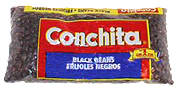
28 oz. dry black beans – picked over for any foreign items
1 pack or cube of chicken bouillon – if using cubes, crush before adding
½ tsp oregano
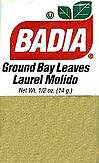
½ tsp powdered bay leaf
1 tsp cumin
Salt to taste
7 oz. roasted red peppers
1 oz. good olive oil


Process

This recipe makes approximately 12 servings.

  • NOTE: This recipe was made using a pressure cooker. If not using a pressure cooker, follow the recipe but heat the mixture on high to boil and then lower to medium for approximately two hours or until it thickens. Check periodically to ensure beans are completely submerged.
  1. Soak beans in room temperature water for 8 hours. Put water and beans into pressure cooker.
  1. Core the green peppers and place whole garlic cloves inside one or two of them. Add to the pot.
  1. Add the whole onion to the pot.
  2. Seal the pressure cooker and cook on high until pressurized.
  3. Lower to medium and continue cooking for 15 minutes.
  4. Depressurize the pot. Remove onion, green peppers and garlic cloves.
  5. Place the onion, green peppers, garlic cloves, 1 pimento and pimento liquid in a blender or food processor. Add 2 serving spoons of the black bean mixture and liquefy.
  1. Taste the beans from the pot to determine if they are soft enough, if not continue cooking and checking until done.
  2. Add the liquefied mixture back to the pot. Set to Medium-Low.
  3. Add ½ cup of water (use your judgment here they may be thin enough), salt, cumin, bay leaf powder, oregano, and bouillon. Taste for salt, season as needed.
  4. Add remaining pimentos and use the pimento can to add 7 oz of water (if needed because it’s been cooking down for a while).
  1. Boil on Low for 15 minutes or until thick, stirring occasionally. Stir in olive oil.
  2. Let the beans sit off the heat for about 30 minutes to continue thickening.

  • NOTE: To thicken the beans if they are too watery, liquefy a spoonful or two in the blender and add back into the pot. This will help thicken the soup.


Black beans are traditionally served with white rice, and they are integral to the traditional Noche Buena meal along side yuca and roast pork...


...but they also make a delicious soup on its own, garnished with sweet raw onions.


¡Buen provecho!


ingredient image source


    Wednesday, February 4, 2009

    Caldo Gallego de Roberto (Galician White Bean Stew)


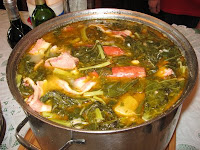
    Last Sunday we visited Grace and Roberto again - a couple of months ago we learned how to make Grace’s delicious Carne con Papas – but this time Roberto taught us how to make his famous Caldo Gallego. OH. MY. GOD! It is so good , particularly when it’s a little cold outside as it was on Super Bowl Sunday.

    Here's Roberto - our teacher for the day.

    Caldo Gallego is a traditional Cuban dish with origins in Galicia, Spain. It is comfort food for many because it’s so warm and hearty. You can serve Caldo Gallego in a small bowl as a soup course, but most often it is served in a big bowl as the main meal because it contain greens, beans and meat. Don’t let the amount of fat used fool you, the beans and collard greens make it a relatively healthy meal.

    Since it takes a long time to make, it is best to make large quantities and freeze the remainders – it gets better with time. And again, because it takes quite a while and requires some prep work – lots of peeling and cutting – do what we did and get together with a few friends. Be sure the wine is good and plentiful and that you have some “saladitos” for sustenance during the hard work – we had ham and manchego cheese canapés along with fresh fruit.

    Ingredients:


    8 quarts of water
    3 lbs dried Great Northern Beans
    5 lbs potatoes – peeled and chunked
    3 lbs turnips – peeled and chunked
    4 lbs flank steak – cut into large pieces
    5 lbs bone-in-ham – cut into large pieces
    2 lbs bacon slices (sliced bacon slab or pancetta can also be used)
    6 oz. salt pork (or pork leaf fat called “unto” in Spanish) – rinsed and cut up
    10 Spanish chorizos
    2 bunches of collard greens – washed well and shredded

    • NOTE: This is what the "unto" or salt pork/pork leaf fat looks like in the package.

    Process

    This recipe makes approximately 20 servings.
          1. Soak the beans between 6 and 8 hours.
          2. Peel and chunk potatoes and turnips.
          3. Cut the flank steak and the ham – save the ham bone.
          4. Add all the ingredients, including the ham bone – except the collard greens - to the beans and water.
          5. Bring to a boil - it doesn't look pretty, but it's OK - it'll get better.
          6. Set temperature to medium and cook until the beans are ready - approximately 90 minutes.
            • NOTE: At this point the broth will be a reddish-orange because of the chorizo. Don’t panic! It will change color once the greens are added.

          7. Wash, shred and add the collard greens.
          8. Cook for an additional 30 minutes.
          9. Remove the flank steak pieces, the ham pieces, the chorizo and the ham-bone and serve on a separate platter.

          The finished product!

          Serve with crusty bread - preferably Cuban - and a hearty Rioja wine.

          ¡Buen provecho!
           

    Wednesday, October 29, 2008

    Potaje de Lentejas de Miriam (Lentil Soup)


    Miriam, our very first teacher - the one who taught us how to make croquetas back in February - once again shared her culinary skills with us. This time we made Potaje de Lentejas – which was perfect for Saturday’s stormy weather.

    The fact that Miriam was the one who taught us how to make this was inevitable, as she is in charge every New Year’s Eve for making lentil soup in order to observe the New Year’s tradition – eating lentil soup on New Year’s Eve will bring you prosperity the following year. So amidst all the other “traditions”, the lentil soup is a mainstay.

    This time we met at her daughter’s house and then followed the “class” by having a great dinner – Miriam’s sister made a pork loin. (By the way, that same sister, her name is Nora, will be teaching us how to make Turkey Fricassee some time next year.) Accompanied by some hearty red wine, a salad and good friends, it was delicious!

    We had a great time as always, sharing stories of Miriam and her sisters’ travels all over the world, reminiscing about early days in Miami, and just laughing and being silly. It was a wonderful afternoon.

    Ingredients


    14 oz. bag of lentils
    1 medium green pepper - chunked
    8 cups of water
    1 medium onion – minced
    5 cloves of garlic - minced
    2 carrots – peeled and sliced
    1 packet or cube of chicken bouillon
    1 packet of Sazon Goya – the one with Coriander and Annatto (this can be replaced with any Latin seasoning with coriander)

    1 chorizo – sliced
    2 small smoked ham shanks
    3 tbsp olive oil
    5 tbsp tomato sauce
    Salt to taste

    Process

    This recipe makes approximately 10 hearty servings.
    1. Sort through the dry lentils to remove foreign objects.
    2. Rinse the lentils.
    3. Add lentils and peppers to the water.
    4. Mince the onions and garlic together and add paste to the lentils.
    5. Add everything except the salt to the lentils and water.
    6. Set on high until it comes to a boil.
    7. Taste the liquid and add salt to taste.
    8. Set the temperature to Medium-Low. Cover and cook for 30-40 minutes.
    • NOTE: Some lentils absorb more water than others and you may want to add more water to get it to your preferred consistency as some like it soupier than others.
    1. Once it has cooked and thickened, take out the ham shanks.
    1. Strip the meat, shred it and put back into the soup. Stir well.
    • NOTE: The green peppers are cut into chunks so they can be removed if desired. Their flavor may overpower the lentils if the soup is stored for later use.
    1. Take off heat.

  1. NOTE: The longer the soup sits, the more it will thicken.


  2. Serve as soup or over rice.


  3. ¡Buen provecho!


    Monday, June 30, 2008

    Frijoles Colorados de Mery (Red Bean Soup)


    We spent a wonderful afternoon at Mery and Angelito's (Cris' in-laws) house not only learning how to make a fantastic Cuban style red bean soup, but also looking at old pictures, telling stories and drinking wine!

    This soup recipe makes about 8 servings and can also be served in the traditional Cuban fashion over white rice.

    Mery, our teacher!


    The Ingredients


    12 oz. bag Red Kidney Beans
    4 cups water - enough to cover the beans
    1 lb. Smoked Pork Shank - leave whole
    1 lb. Smoked Pork Shoulder (ham) - chunked
    6 oz. Spanish Chorizo (3-4 sausages) - leave whole
    1/3 Medium Green Pepper - chopped
    1/2 Medium Onion - chopped
    2 large garlic cloves - minced
    2 Bay Leaves
    1/4 cup corn oil
    2 tbsp Apple Cider Vinegar
    Black Pepper to taste
    Salt to taste
    3 Small Potatoes - peeled and cubed
    2 lb Calabaza - peeled, seeded and cubed

    The Process
    1. Soak beans in plain water for 2 hours. (You can do this in the pressure cooker to avoid using another pot)

    1. Add 4 cups water, put the lid on the pressure cooker and seal. Cook on High until the cooker pressurizes.
    2. Once the cooker has pressurized change the stove temperature to Medium. Cook for 30 minutes.
    3. Remove from heat until all pressure is gone. Remove the lid.
    4. Set on low heat and add the smoked pork shoulder, smoked pork shank, chorizo, green pepper, onion, bay leaves, garlic, corn oil, vinegar, salt and pepper.
    5. Without replacing the lid return to heat, taste for salt and pepper, add more if needed. Set on Medium for about 45 minutes until the soup is thick enough to coat a spoon.
    6. Add the potatoes and calabaza.
    7. Leave on Medium for 20 minutes or until the potatoes are tender.
    8. Remove from heat.
    TIP: When you're making any Cuban-style bean "potaje", if it doesn’t thicken properly, for whatever reason, scoop out some of the beans and puree them in the blender. Add the pureed beans back into the pot to help the thickening process.

    The Finished Product


    Mery served the red beans in the traditional Cuban style over white rice and with a green bean and onion salad. A California Pinot Noir was a great accompaniment.


    In keeping with traditional Cuban dining, we enjoyed the most traditional of Cuban desserts, guava and cheese! We had Guava marmalade with cream cheese and Guava paste with Gouda cheese - fantastic! And to finish it all off, delicious cafecito.


    Nice and simple...Another beautiful afternoon spent with wonderful food, stories and people!


    ¡Buen provecho!